Confidential STD Testing in Santa Monica: Private, Fast, and Secure Results in 2026
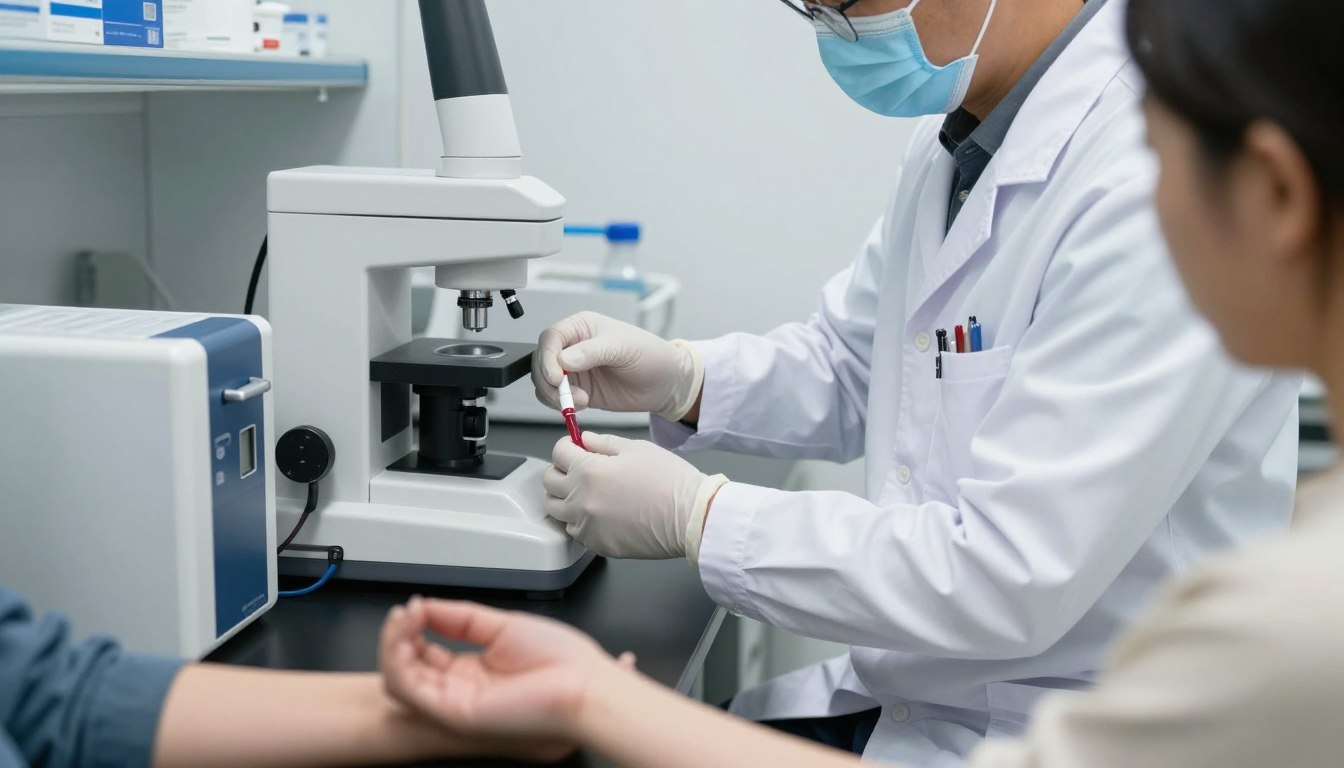
Your health is personal. Your testing should be too. In 2026, Santa Monica residents no longer need to sacrifice privacy for quality healthcare.
Confidential STD testing has evolved beyond crowded public clinics. Today, you can schedule a private lab visit online and receive secure results within 24 hours.
No insurance paperwork appears on your permanent record. No awkward waiting rooms. Just professional, discreet service designed for your peace of mind.
Why Santa Monica Residents Choose Private STD Testing
The landscape of STD testing in Santa Monica has transformed dramatically. Traditional public health clinics still serve an important role, but they come with significant drawbacks.
Wait times at county facilities can stretch to two or three weeks. Your appointment happens during limited business hours. The setting offers little privacy.
Private testing services solve these problems. The process takes minutes, not weeks. Results arrive fast. Your information stays completely confidential.
Traditional Public Clinics
- Wait 2-3 weeks for appointment
- Limited weekday hours only
- Shared waiting rooms
- Insurance documentation required
- Results take 7-14 days
- Records in insurance history
Modern Private Testing
- Same-day appointments available
- Flexible scheduling including evenings
- Private lab visits
- No insurance paperwork needed
- Results in 24-48 hours
- Completely confidential records
STDcheck.com: Your Partner for Confidential Testing in Santa Monica
STDcheck.com connects Santa Monica residents with certified testing facilities throughout Los Angeles County. The service operates through partnerships with over 4,500 labs nationwide.
These aren't unknown facilities. You're visiting Quest Diagnostics and LabCorp locations. These names represent decades of trusted medical testing.
The difference is how you access them. Instead of going through insurance and primary care physicians, you order directly online. Your results come to you privately.
What Makes STDcheck.com Different

Nationwide Lab Network
Access to 4,500+ certified facilities means you'll find convenient testing near your home or workplace in Santa Monica. Quest and LabCorp partnerships ensure quality standards.
Rapid Result Delivery
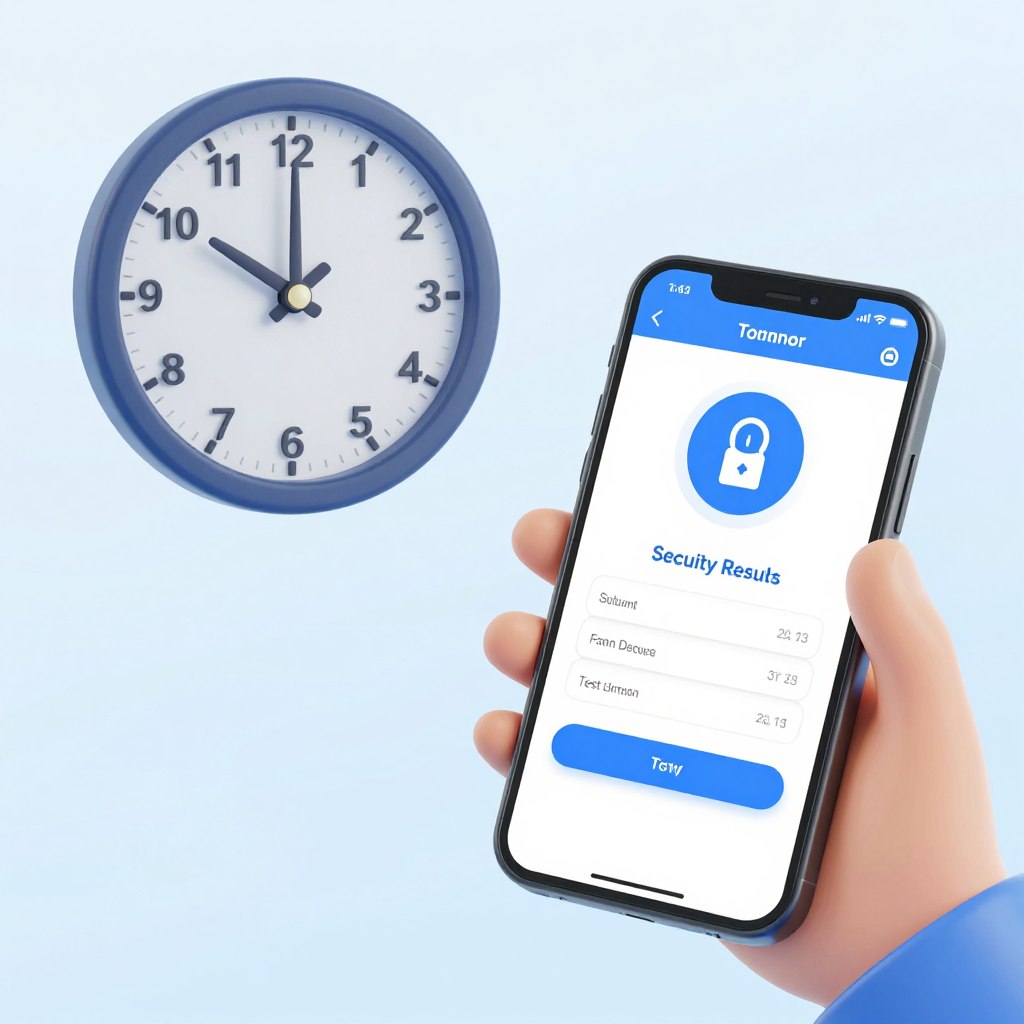
Most test results arrive within 24 to 48 hours. Some panels provide same-day results. You receive notification via secure email or text when results are ready.
Complete Privacy Protection
No insurance billing means no record on your insurance history. Results go directly to you through encrypted online portal. Your employer and insurance company never see this information.
Find Your Nearest Testing Location
Over 4,500 certified lab locations nationwide, including multiple facilities throughout Santa Monica and Los Angeles County.
How Confidential STD Testing Works: A Simple Three-Step Process
Getting tested through STDcheck.com takes less time than a coffee run. The entire process is designed for convenience and privacy.
What Happens During Your Lab Visit
Many first-time users worry about the lab visit itself. Understanding what to expect helps ease any concerns.
You arrive at the facility with your order confirmation. Check in takes seconds. Most locations operate on a walk-in basis during business hours.
The actual sample collection depends on which tests you ordered. Blood tests require a simple draw. Urine tests are self-collected in a private restroom. Swab tests are quick and minimally invasive.
The entire visit typically lasts 10 to 15 minutes. You leave immediately after sample collection. There's no waiting for results at the facility.
Privacy Note: Lab technicians handle hundreds of tests daily. Your STD screening is routine for them. They follow strict HIPAA protocols. Your information remains completely confidential throughout the entire process.
Test Options and Pricing: Comprehensive Health Peace of Mind
STDcheck.com offers individual tests and bundled panels. Understanding your options helps you make the right choice for your health needs.
Individual STD Tests Available
Single test options work well when you have specific concerns or exposure risks. These tests focus on one infection.
- HIV Test: Screens for HIV-1 and HIV-2 antibodies using blood sample
- Herpes Test: Type-specific testing for HSV-1 and HSV-2
- Chlamydia Test: Most common bacterial STD screening
- Gonorrhea Test: Often paired with chlamydia testing
- Syphilis Test: Blood test detecting treponema pallidum antibodies
- Hepatitis B Test: Screens for hepatitis B surface antigen
- Hepatitis C Test: Detects hepatitis C antibodies in blood
- Trichomoniasis Test: Common parasitic infection screening
The 10-Test Comprehensive Panel: Best Value for Complete Screening
The most popular option among Santa Monica residents is the 10-test panel. This comprehensive screening checks for all major STDs in a single lab visit.
The panel includes HIV testing for both type 1 and 2. Herpes screening covers HSV-1 and HSV-2. Hepatitis B and C tests protect your liver health.
Bacterial infection screening includes chlamydia, gonorrhea, and syphilis. The panel also tests for trichomoniasis and includes hepatitis A screening.
This comprehensive approach offers several advantages. You complete all testing in one visit. One blood draw covers multiple tests. The bundled price provides significant savings compared to ordering tests individually.
Basic 3-Test Panel
data-generator="2" alt="Basic STD testing panel for three common infections">- HIV
- Chlamydia
- Gonorrhea
Covers the most commonly transmitted infections. Good option for routine screening after a single potential exposure.
Standard 8-Test Panel
- All Basic Panel tests
- Herpes I & II
- Hepatitis B
- Hepatitis C
- Syphilis
More comprehensive screening including viral infections. Recommended for those with multiple partners or unclear exposure history.
Complete 10-Test Panel
- All Standard Panel tests
- Hepatitis A
- Trichomoniasis
The most thorough screening available. Tests for all major sexually transmitted infections. Best value for complete peace of mind.
Why Choose the 10-Test Panel? At an average of $205, this comprehensive screening costs less than most people pay for a single doctor's visit with insurance copays. You receive complete testing without involving insurance at all. For Los Angeles residents prioritizing health and privacy, this represents the best value available today.
Order Your Comprehensive 10-Test Panel Now
Get complete peace of mind with testing for all major STDs. Just $205 for comprehensive screening with results in 24 hours.
Understanding What Each Test Detects
Knowing what each test screens for helps you understand the value of comprehensive testing. Here's what the major tests in the panel detect:
| Test Name | What It Detects | Sample Type | Detection Window |
| HIV 1 & 2 | Antibodies to human immunodeficiency virus | Blood | 23-90 days after exposure |
| Herpes I & II | HSV-1 and HSV-2 antibodies | Blood | 4-6 weeks after exposure |
| Chlamydia | Chlamydia trachomatis bacteria | Urine | 1-5 days after exposure |
| Gonorrhea | Neisseria gonorrhoeae bacteria | Urine | 2-6 days after exposure |
| Syphilis | Treponema pallidum antibodies | Blood | 3-6 weeks after exposure |
| Hepatitis A | HAV antibodies | Blood | 2-7 weeks after exposure |
| Hepatitis B | HBV surface antigen | Blood | 4-10 weeks after exposure |
| Hepatitis C | HCV antibodies | Blood | 8-12 weeks after exposure |
| Trichomoniasis | Trichomonas vaginalis parasite | Urine | 4-28 days after exposure |
Your Privacy Matters: How Confidential Testing Really Works
Privacy concerns prevent many people from getting tested. Understanding how the confidential process actually works helps address these worries.
When you test through STDcheck.com, your information flows through a completely separate channel from traditional healthcare. No insurance company ever sees your test order or results.
Your employer has no access to this information. It doesn't appear in your medical records. The data remains between you and the testing service.
What "No Insurance Billing" Actually Means
Traditional STD testing through a doctor's office creates a paper trail. Your insurance company receives a claim. That claim includes diagnostic codes indicating the type of test performed.
These codes become part of your permanent insurance record. Some life insurance companies review medical history during underwriting. Some employers with self-funded health plans can access aggregate claims data.
Private testing eliminates this entire pathway. You pay directly for the service. No claim goes to insurance. No codes appear anywhere except in your private test results.
Benefits of Private Testing
- No insurance claim filed
- No diagnostic codes in medical records
- No explanation of benefits sent to your home
- No risk of impacting future insurance applications
- Complete control over who sees your results
- No sharing of information with any third parties
Traditional Testing Privacy Concerns
- Insurance claims create permanent records
- Diagnostic codes visible to insurance companies
- Explanation of benefits may arrive at home address
- Information potentially visible during insurance underwriting
- Some employers can access aggregate claims data
- Medical records become part of insurance history
HIPAA Protection and Data Security
All testing facilities follow strict HIPAA regulations. This federal law governs how healthcare providers handle your medical information.
Lab technicians receive training in confidentiality protocols. They handle thousands of tests every week. Your STD screening is routine for them.
Test results transmit through encrypted connections. The online portal uses bank-level security. You access results with a unique login that only you control.
Your Rights Under HIPAA: You have the right to know who accesses your medical information. You can request records of any disclosures. Testing services must protect your information with appropriate security measures. You control who sees your test results.
How Long Do Results Stay on Record?
STDcheck.com maintains your test results in their secure system. You can access historical results through your account. This serves as your personal health record.
The service doesn't report results to any government database. They don't share information with healthcare providers unless you request it. The data stays private within your account.
If you test positive for a reportable condition, the lab must notify public health authorities. This is required by law in California. However, this reporting doesn't connect to your insurance or employer.
What If Someone Else Sees the Charge on My Card?
Credit card and bank statements show a discrete company name. The charge doesn't reveal the nature of the service. It appears as a medical testing service without specific details.
If privacy is a paramount concern, prepaid debit cards work for payment. This creates an additional layer of separation between your testing and regular financial accounts.
Understanding Your Test Results and Next Steps
Receiving your test results marks an important moment. Understanding what they mean and what actions to take next provides peace of mind.
How You Receive Your Results
Most results arrive within 24 to 48 hours after your lab visit. Some tests process faster, others take slightly longer depending on complexity.
You receive an email or text notification when results are ready. The message doesn't contain result information. It simply alerts you to log into your secure account.
The online portal displays results in clear language. Each test shows as positive, negative, or in some cases, inconclusive. The system provides explanations for what each result means.
Interpreting Negative Results
Negative results mean no infection was detected. This provides peace of mind about your current health status.
However, negative results only reflect your status up to the detection window. If you were recently exposed, you might need retesting after the appropriate window period passes.
The detection window varies by infection. HIV tests may require 90 days for complete accuracy. Chlamydia and gonorrhea tests work within days of exposure. Your results include information about detection windows for each test.
What Happens With Positive Results
A positive result requires attention, but it's not a crisis. Most STDs are treatable with medication. Early detection actually improves outcomes significantly.
STDcheck.com provides access to licensed physicians for consultation when results come back positive. These doctors can answer questions, explain treatment options, and prescribe medication when appropriate.
The consultation happens through secure telehealth. You don't need to visit a doctor's office in person. The physician reviews your results and discusses next steps with you directly.
For bacterial infections like chlamydia, gonorrhea, and syphilis, treatment typically involves antibiotics. The physician can send a prescription to your preferred pharmacy. You pick up medication and begin treatment immediately.
Viral infections like herpes or HIV require different approaches. The consulting physician discusses management options, ongoing care recommendations, and connects you with appropriate specialists if needed.
Treatment and Follow-Up Care
After beginning treatment for a bacterial infection, follow-up testing confirms the medication worked. Most providers recommend retesting three months after completing treatment.
Partner Notification Considerations
If you test positive, recent sexual partners may have been exposed. Notifying them allows them to get tested and treated if necessary.
This conversation feels difficult. Many people worry about judgment or confrontation. However, early detection prevents complications and stops further transmission.
Some testing services offer confidential partner notification tools. These systems send alerts to previous partners without revealing your identity. The recipient learns they may have been exposed and should get tested.
Legal Considerations: California law requires disclosure of certain STD statuses to sexual partners. While enforcement is complex, ethical responsibility and community health benefit from honest communication about positive results.
Get Your Results in 24 Hours
Fast, accurate testing with secure online results delivery. Physician consultations available for positive results.
Understanding Common STDs: What You're Testing For
Knowledge about specific infections helps you understand why comprehensive testing matters. Each STD presents different risks and symptoms.
>Bacterial STDs: Treatable With Antibiotics
Bacterial infections respond well to antibiotic treatment. Early detection prevents complications and stops transmission to others.
Chlamydia: The Silent Infection
Chlamydia ranks as the most commonly reported STD in Los Angeles County. The infection often causes no symptoms, especially in women. This makes testing crucial even when you feel perfectly healthy.
When symptoms do appear, they include unusual discharge, burning during urination, and pelvic pain in women. Men may experience testicular pain and discharge.
Untreated chlamydia can cause serious complications. Women face risk of pelvic inflammatory disease, which may lead to infertility. The infection also increases HIV transmission risk.
Treatment involves a single dose of antibiotics or a week-long course. The infection clears completely with proper medication adherence.
Gonorrhea: Increasing Antibiotic Resistance
Gonorrhea often occurs alongside chlamydia. Symptoms include thick discharge, painful urination, and rectal discomfort if infection spreads there.
Like chlamydia, gonorrhea frequently produces no symptoms. Regular testing catches these hidden infections before complications develop.
The bacteria is developing resistance to many antibiotics. This makes prompt treatment with current effective medications important. Delayed treatment may face fewer antibiotic options in the future.
Syphilis: The Great Imitator
Syphilis progresses through distinct stages if left untreated. The first stage presents as a painless sore where infection entered the body. This sore heals on its own, but the infection remains.
Secondary syphilis causes rashes, fever, and swollen lymph nodes. These symptoms also resolve without treatment, leading to a latent stage.
Years later, tertiary syphilis can damage the heart, brain, and other organs. Early detection prevents progression to these serious stages.
Treatment requires antibiotic injections. The specific medication and duration depend on how long you've had the infection.
Viral STDs: Manageable But Not Curable
Viral infections remain in your body permanently. However, modern treatments manage symptoms effectively and reduce transmission risk.
HIV: Modern Treatment Changes Everything
HIV diagnosis is no longer the devastating news it was decades ago. Modern antiretroviral medications allow people with HIV to live normal lifespans.
The concept of U=U (undetectable equals untransmittable) means people with suppressed viral loads cannot transmit HIV to sexual partners. This represents a revolutionary change in HIV understanding.
Early detection remains crucial. Starting treatment before the virus damages your immune system provides the best outcomes. Regular testing catches infection early when treatment is most effective.
Los Angeles County provides excellent HIV care resources. Many programs offer medications at reduced cost or even free for those who qualify.
Herpes: More Common Than Most People Realize
Herpes affects millions of Americans. Many people carry the virus without knowing it. Testing reveals your status even without symptoms.
Two types exist: HSV-1 typically causes oral herpes, while HSV-2 usually causes genital herpes. However, either type can infect either location.
Outbreaks cause painful blisters or sores. Between outbreaks, the virus remains dormant. Antiviral medications reduce outbreak frequency and severity.
Knowing your herpes status allows you to make informed decisions about transmission risk to partners. Medications and precautions significantly reduce transmission.
Hepatitis B and C: Liver Health Concerns
Hepatitis B and C viruses attack the liver. Both can spread through sexual contact, though hepatitis C transmission through sex is less common.
Chronic hepatitis can lead to liver damage, cirrhosis, and liver cancer. Testing catches these infections before serious damage occurs.
Effective treatments now cure most hepatitis C infections. Hepatitis B has no cure but medications control the virus and prevent liver damage.
Vaccination prevents hepatitis B. If you test negative, consider getting vaccinated for future protection.
Parasitic and Other Infections
Trichomoniasis: The Overlooked Infection
Trichomoniasis is caused by a parasite, not bacteria or virus. It's extremely common but often overlooked in basic testing panels.
Women experience frothy discharge, odor, and irritation. Men often have no symptoms but can transmit the infection.
Treatment involves a single dose of antiparasitic medication. Both partners need treatment to prevent reinfection.
Trichomoniasis increases HIV transmission risk and can cause pregnancy complications. Testing and treatment are simple and effective.
Who Should Get Tested and How Often
Testing recommendations depend on your sexual activity, number of partners, and risk factors. Understanding guidelines helps you make informed decisions about your testing schedule.
General Testing Recommendations
The CDC recommends annual STD testing for sexually active adults under 25. This age group faces the highest infection rates.
Anyone with multiple partners should test more frequently. Testing every three to six months catches infections early when you're most at risk.
If you're entering a new monogamous relationship, testing before becoming sexually active protects both partners. This provides a clean baseline and builds trust.
Test Annually If You:
- Are sexually active and under 25 years old
- Have one long-term partner
- Use condoms consistently
- Had no recent partner changes
- Have no current symptoms
Test Every 3-6 Months If You:
- Have multiple sexual partners
- Have a partner with multiple partners
- Don't always use protection
- Use dating apps frequently
- Have a partner who tests positive
Testing After Potential Exposure
If you had unprotected sex with someone whose status you don't know, testing provides important information. However, timing matters for accurate results.
Each infection has a detection window. This is the time between exposure and when tests can accurately detect infection. Testing too early may produce false negative results.
| Infection | Initial Test Timing | Follow-Up Test Timing | Window Period Explanation |
| Chlamydia | 5-14 days after exposure | Not needed if negative | Bacterial DNA detectable within days |
| Gonorrhea | 5-14 days after exposure | Not needed if negative | Similar detection timeline to chlamydia |
| Syphilis | 3-4 weeks after exposure | 6 weeks if first test negative | Antibodies take time to develop |
| HIV | 23-90 days after exposure | 3 months for definitive results | Modern tests detect earlier than older methods |
| Herpes | 4-6 weeks after exposure | 12-16 weeks if initial negative | IgG antibodies need time to reach detectable levels |
| Hepatitis B | 6 weeks after exposure | 3 months if first test negative | Surface antigen appears within weeks |
| Hepatitis C | 8-12 weeks after exposure | 6 months for complete certainty | Antibodies develop slowly |
Pregnancy and STD Testing
Pregnant women should get tested early in pregnancy. Many STDs can affect the developing baby or cause complications during delivery.
Testing during pregnancy protects both mother and child. Treatment during pregnancy prevents transmission to the baby and reduces complication risks.
If you're planning to become pregnant, testing beforehand addresses any infections before conception. This provides the safest environment for pregnancy.
Testing for Different Sexual Activities
Different sexual activities carry different risks. Your testing plan should reflect your specific behaviors.
Oral sex can transmit some infections, particularly herpes and syphilis. Throat testing for gonorrhea and chlamyia catches infections missed by standard urine tests.
Anal sex carries higher transmission risks for many infections. Rectal testing detects infections that don't show up in other samples.
The standard urine and blood tests catch most infections for people having vaginal intercourse. However, comprehensive testing provides complete peace of mind.
Special Considerations for Santa Monica Residents
Los Angeles County has higher STD rates than many other parts of California. This makes regular testing especially important for sexually active residents.
The county health department reports increasing rates of syphilis and gonorrhea in recent years. These trends affect all communities, including Santa Monica.
Free testing options exist through county health clinics. However, these facilities often have long wait times and limited privacy. Private testing offers an alternative for those who prioritize convenience and confidentiality.
Questions about which tests you need?
Speak with a testing specialistUnderstanding Testing Costs and Insurance Considerations
Cost concerns prevent some people from getting tested. Understanding the actual expenses and comparing them to traditional healthcare helps you make informed decisions.
Private Testing Costs Explained
Private STD testing costs more upfront than using insurance. However, the total picture includes factors beyond the initial price.
A single STD test through STDcheck.com typically costs between $24 and $89. Panel testing offers better value. The popular 10-test panel costs $205 on average.
Compare this to insurance-based testing. Your insurance copay might be $20 to $50. However, you also need a doctor's appointment first. That appointment requires another copay, often $30 to $75.
The doctor visit takes time off work. The lab visit requires another trip. Results come through your doctor, necessitating a follow-up appointment to discuss them.
Private Testing Total Cost
- Online order: $0 (done from home)
- 10-test panel: $205
- Lab visit: 10 minutes
- Results: Automatic online delivery
- Follow-up: Only if you need treatment
- Total time investment: Under 30 minutes
- Total cost: $205
Insurance-Based Testing Total Cost
- Doctor appointment: $30-75 copay, 1-2 hours
- Lab order: Written by doctor
- Lab visit: $20-50 copay, 30-60 minutes
- Results: Through doctor only
- Follow-up appointment: Another $30-75 copay, 1-2 hours
- Total time investment: 3-5 hours plus scheduling
- Total cost: $80-200 in copays
The cost difference shrinks when you factor in time value. Taking a half day off work costs money in lost wages or used vacation time.
Private testing also eliminates the risk of insurance denials. Some insurance plans don't cover STD screening without symptoms. Others require certain diagnostic codes that may not apply to routine testing.
Free Testing Options in Santa Monica
Los Angeles County operates free STD testing clinics. These serve an important role for people without financial resources for private testing.
The nearest free testing location to Santa Monica is the Westside Family Health Center. This facility offers no-cost testing for eligible individuals.
However, free clinics face significant limitations. Wait times for appointments often stretch to two or three weeks. The facility operates limited hours during weekdays only.
Testing panels may be limited based on risk assessment. You might not receive comprehensive screening. Results take longer to process.
Privacy is also more limited. You sit in shared waiting rooms. Staff may call out names or case numbers in public areas.
Free Testing Resources: If cost is your primary concern, contact the Los Angeles County Department of Public Health at (213) 484-7400. They can direct you to free testing locations and explain eligibility requirements. These services provide important health protection for those who cannot afford private options.
Can You Use Insurance for Private Testing?
STDcheck.com operates outside the insurance system by design. This creates the privacy you're seeking. However, some people want to use insurance for cost reasons.
The service doesn't bill insurance directly. You pay out of pocket. However, you can submit receipts to your insurance company for potential reimbursement.
This approach only makes sense if you don't mind your insurance seeing the claim. You lose the privacy benefit but might recover some costs.
Most insurance companies consider out-of-network lab work for reimbursement. However, they're not required to pay. Check your specific plan before counting on reimbursement.
Many people choose to pay privately and skip the insurance reimbursement process entirely. The privacy benefit outweighs the cost recovery for most users.
Payment Options and Pricing Transparency
STDcheck.com displays all prices clearly before you order. No surprise fees appear later. The price you see online is the price you pay.
The service accepts all major credit cards. Debit cards work the same way. For additional privacy, prepaid debit cards are also accepted.
Some people prefer paying with prepaid cards to keep the charge completely separate from regular bank accounts. This provides another layer of privacy.
Comprehensive Testing for $205
Get the 10-test panel covering all major STDs. Results in 24 hours. No insurance billing. Complete privacy guaranteed.
Recognizing STD Symptoms and When to Seek Testing
Most STDs cause no symptoms, especially in early stages. This makes regular testing important even when you feel fine. However, certain signs warrant immediate attention.
Common Symptoms Across Different STDs
Some symptoms appear with multiple infections. Recognizing these warning signs helps you know when to test immediately rather than waiting for regular screening.
Discharge Changes
Unusual discharge from the penis, vagina, or rectum often indicates infection. The discharge may be white, yellow, green, or blood-tinged.
Texture changes matter too. Thick, chunky discharge differs from normal secretions. Foul odor often accompanies infectious discharge.
These symptoms appear with chlamydia, gonorrhea, and trichomoniasis. Testing identifies the specific infection so treatment can begin.
Burning or Pain During Urination
Painful urination is a classic STD symptom. The sensation ranges from mild burning to severe pain.
Chlamydia and gonorrhea commonly cause this symptom. However, urinary tract infections unrelated to STDs can cause similar sensations.
Testing determines whether your symptoms stem from an STD or another condition. Either way, the symptom requires medical attention.
Sores, Bumps, or Rashes
Skin changes in the genital area, anus, or mouth can signal various STDs. Herpes causes painful blisters that break into open sores.
Syphilis starts with a single painless sore called a chancre. Later stages cause rashes on palms and soles.
HPV creates warts in the genital area. These appear as small bumps, sometimes in cauliflower-like clusters.
Any unusual skin changes in these areas warrant testing. Even painless sores require attention, as syphilis sores don't hurt.
Pelvic Pain and Bleeding
Women may experience lower abdominal pain from untreated chlamydia or gonorrhea. These infections can progress to pelvic inflammatory disease.
Abnormal vaginal bleeding between periods or after sex can indicate infection. Pain during intercourse is another warning sign.
These symptoms require prompt medical attention. PID can cause permanent reproductive damage if untreated.
Symptoms That Require Immediate Testing
Seek Testing Immediately If You Experience:
- Genital sores, ulcers, or unusual bumps
- Thick, discolored, or foul-smelling discharge
- Severe pain during urination
- Testicular pain or swelling
- Pelvic pain with fever
- Rectal pain, discharge, or bleeding
- Widespread rash with fever
- Flu-like symptoms after high-risk exposure
The Danger of Asymptomatic Infections
The absence of symptoms doesn't mean absence of infection. Many people carry STDs for months or years without knowing.
Up to 70 percent of women with chlamydia have no symptoms. About 50 percent of men show no signs either. The infection silently damages reproductive systems.
Gonorrhea often causes no symptoms in women. Men are more likely to notice symptoms, but asymptomatic cases still occur.
Herpes can cause such mild symptoms that people mistake them for ingrown hairs or irritation. Many people with herpes don't realize they have it.
This is why regular testing matters even when you feel fine. Symptoms aren't a reliable indicator of infection status.
Testing After Known Exposure
If a partner informs you they tested positive, you need testing regardless of symptoms. Your test timing depends on what they were diagnosed with.
For bacterial infections like chlamydia and gonorrhea, test within 5 to 14 days of exposure. These infections become detectable quickly.
Viral infections require longer windows. HIV testing should happen at 23 days post-exposure, with follow-up at 90 days for complete certainty.
Herpes testing works best 4 to 6 weeks after exposure. Earlier testing may miss infections that haven't produced detectable antibodies yet.
Experiencing symptoms or concerned about exposure?
Prevention Strategies Beyond Testing
Testing provides crucial information about your current status. However, prevention strategies reduce future infection risk. A comprehensive approach includes multiple protection methods.
Barrier Protection Methods
Condoms remain the most effective prevention method for sexually active people. Proper use significantly reduces transmission risk for most STDs.
External condoms prevent contact between partners' skin and fluids. This blocks transmission of bacterial infections like chlamydia and gonorrhea.
Internal condoms work similarly. These provide protection for receptive partners during any type of intercourse.
Condoms don't provide complete protection against all STDs. Herpes and HPV can spread through skin-to-skin contact in areas condoms don't cover.
However, consistent condom use still reduces herpes transmission by about 30 to 50 percent. This represents significant protection even if not complete.
Vaccination Options
Vaccines prevent some STDs before exposure occurs. Two important vaccines protect against serious infections.
HPV Vaccination
The HPV vaccine protects against human papillomavirus strains that cause most cervical cancers and genital warts. It's recommended for everyone through age 26.
Adults aged 27 to 45 can receive the vaccine after discussing benefits with a healthcare provider. The vaccine works best before any HPV exposure, but still provides some protection even after becoming sexually active.
The vaccine requires two or three doses depending on age at first dose. Santa Monica residents can get vaccinated at pharmacies, doctor's offices, or health clinics.
Hepatitis B Vaccination
The hepatitis B vaccine prevents this serious liver infection. The CDC recommends it for all unvaccinated adults.
Many people received this vaccine as children. If you're unsure of your vaccination status, testing can show whether you have immunity.
The vaccine requires three doses over six months. It's highly effective at preventing hepatitis B infection.
Communication and Partner Disclosure
Talking about STDs and testing with partners prevents transmission. These conversations feel uncomfortable but protect everyone involved.
Before becoming sexually intimate, discuss testing history and status. Ask when your partner was last tested and what tests they received.
Share your own test results openly. This transparency builds trust and demonstrates responsibility for sexual health.
If you test positive for an STD, inform partners before sexual contact. This allows them to make informed decisions about risk.
Some people fear rejection after disclosing positive status. However, honest communication creates healthier relationships than hiding information.
Reducing Partner Numbers and Relationship Structure
Having fewer partners reduces exposure risk. This doesn't mean everyone should be monogamous, but awareness of numbers and transmission chains matters.
Mutual monogamy with a tested partner provides the lowest risk after abstinence. Both partners test clean, then remain exclusive.
For people with multiple partners, reducing total numbers still lowers risk. Testing becomes even more important in these situations.
Understanding your partners' other relationships helps assess risk. Someone with multiple partners carries higher risk than someone in a monogamous relationship.
PrEP for HIV Prevention
Pre-exposure prophylaxis (PrEP) prevents HIV infection in people at higher risk. This daily medication reduces HIV risk by more than 90 percent when taken consistently.
PrEP makes sense for people with HIV-positive partners, multiple partners, or inconsistent condom use. It doesn't protect against other STDs, so testing remains important.
Many insurance plans cover PrEP. Patient assistance programs provide medication for those without insurance. Los Angeles has several PrEP-friendly clinics and providers.
Post-Exposure Prevention
Post-exposure prophylaxis (PEP) can prevent HIV after potential exposure. This emergency medication must start within 72 hours of exposure.
PEP involves taking HIV medications for 28 days. It's about 80 percent effective when started promptly.
If you believe you were exposed to HIV, seek medical care immediately. Los Angeles emergency rooms can provide PEP.
PEP only works for HIV. No similar emergency prevention exists for other STDs. This makes regular testing and preventive measures important.
Frequently Asked Questions About Confidential STD Testing
Common questions about private testing help you understand the process and benefits fully. Here are answers to what Santa Monica residents ask most often.
How confidential is private STD testing really?
Private testing through STDcheck.com maintains complete confidentiality. Your information doesn't go to insurance companies or employers. No claims are filed that appear in medical records.
Test results go directly to you through a secure online portal. Only you can access them with your unique login. The service follows strict HIPAA privacy regulations.
Lab staff handle thousands of tests daily. Your test is routine for them. They don't judge or discuss your results with anyone.
Do I need a doctor's order to get tested?
No doctor's order is required for private testing through STDcheck.com. You order directly online and bring confirmation to the lab.
A physician associated with the testing service reviews and authorizes your order. This happens automatically when you place your order online.
You skip the doctor's appointment entirely. This saves time and money while providing the same lab-quality testing.
How long do I have to wait for test results?
Most results arrive within 24 to 48 hours after your lab visit. Some tests process faster, particularly bacterial infection screening.
Herpes testing may take slightly longer, up to three days. HIV tests using modern detection methods typically complete within one to two days.
You receive notification via email or text when results are ready. The message doesn't contain result information, just alerts you to log into your secure account.
What happens if my test comes back positive?
STDcheck.com provides access to licensed physicians for consultation when results are positive. These doctors review your results and discuss treatment options.
For bacterial infections, the physician can prescribe antibiotics. The prescription goes to your preferred pharmacy for pickup.
For viral infections like herpes or HIV, the physician discusses management strategies and connects you with appropriate specialists for ongoing care.
You're not alone in dealing with positive results. Professional medical support is part of the service.
Can I get tested if I don't have symptoms?
Yes, you should get tested even without symptoms. Most STDs cause no symptoms, especially in early stages.
Regular screening catches asymptomatic infections before they cause complications or spread to partners.
You don't need symptoms or a specific exposure to justify testing. Routine screening is a normal part of sexual health maintenance.
How accurate are private lab tests compared to doctor-ordered tests?
The accuracy is identical because you're using the same labs. STDcheck.com partners with Quest Diagnostics and LabCorp.
These are the same facilities your doctor would send you to. The equipment, procedures, and technicians are identical.
The only difference is how you access the service. You're getting the same lab-quality testing without the doctor's office visit.
What's the difference between a single test and the 10-test panel?
Single tests check for one specific infection. This works well when you have a known exposure to something specific.
The 10-test panel screens for all major STDs in one visit. It includes HIV, herpes, hepatitis A, B, and C, chlamydia, gonorrhea, syphilis, and trichomoniasis.
The panel provides complete peace of mind. You only need one lab visit and receive comprehensive results. It's the most cost-effective option for thorough screening.
Do I need to fast before my lab visit?
No fasting is required for STD testing. You can eat and drink normally before your appointment.
Some blood tests require fasting, but STD panels don't. You can visit the lab at any time of day.
However, you should avoid urinating for at least one hour before providing a urine sample. This ensures adequate concentration for accurate results.
Can I get tested during my period?
Yes, you can get tested during menstruation. Periods don't affect blood test accuracy.
However, some providers recommend waiting until your period ends if possible. This makes sample collection more comfortable.
If you need immediate testing, having your period doesn't prevent accurate results. Proceed with testing if time is important.
Will my partner be notified if I test positive?
No automatic notification goes to partners. You control whether and how to share your results.
However, you have an ethical and sometimes legal responsibility to inform partners of positive results. This allows them to get tested and treated.
Some services offer confidential partner notification tools. These send alerts without revealing your identity.
The testing service itself never contacts your partners. That decision and communication remain entirely in your control.
How much does testing cost without insurance?
Individual tests range from $24 to $89 depending on the infection. The popular 10-test comprehensive panel costs $205 on average.
This represents the complete cost. No additional fees appear later. The price includes the lab visit, testing, and results delivery.
Payment is required at the time of online ordering. All major credit and debit cards are accepted.
How soon after exposure should I get tested?
Testing timing depends on which infections you're concerned about. Different STDs have different detection windows.
For bacterial infections like chlamydia and gonorrhea, testing works 5 to 14 days after exposure.
HIV testing should happen at 23 days with follow-up at 90 days. Herpes testing works best 4 to 6 weeks after exposure.
If you're unsure about timing, comprehensive testing at 2 weeks with follow-up at 3 months catches most infections.
Why Santa Monica Residents Choose Private Testing Over Public Clinics
Santa Monica residents have access to free public testing through Los Angeles County. Yet thousands choose private testing each year. Understanding why reveals what matters most to people seeking STD screening.
Time and Convenience Factor
Time represents the biggest advantage of private testing. Public clinics require appointments scheduled weeks in advance. Santa Monica residents can walk into private labs same-day.
The entire private testing process takes less than 30 minutes from ordering online to leaving the lab. Public clinic visits consume half a day or more.
Work schedules make public clinic access difficult. Most operate weekday mornings only. Private labs in Santa Monica offer extended hours and Saturday availability.
Public Clinic Timeline
- Call for appointment: 2-3 week wait
- Take time off work for visit
- Wait in shared space: 30-90 minutes
- Screening and testing: 30 minutes
- Return for results: Another appointment 7-14 days later
- Total time: Multiple half-days over 3-4 weeks
Private Testing Timeline
- Order online: 5 minutes
- Walk into lab: Same day or next day
- No waiting: Most visits under 10 minutes
- Lab visit: 10-15 minutes
- Results online: 24-48 hours
- Total time: Less than 30 minutes total
Privacy and Discretion
Public clinics in Los Angeles County serve important functions. However, privacy is limited by necessity. Shared waiting rooms mean potentially running into neighbors or coworkers.
Staff in public clinics work hard to maintain dignity. But high volume and limited resources create challenges. Names may be called out in waiting areas. Conversations happen where others can overhear.
Private testing eliminates these concerns. You enter a professional lab facility. Check-in is quick and discrete. Sample collection happens in private rooms.
Your results never arrive by mail where others might see them. They go directly to your secure online account. Only you control access.
Comprehensive Testing Options
Public clinics typically offer targeted testing based on risk assessment. You might not receive comprehensive screening even if you want it.
Budget constraints limit which tests public clinics can provide. The focus stays on highest-risk infections. Herpes testing rarely happens at public clinics because treatment doesn't change based on asymptomatic results.
Private testing lets you choose your panel. Want comprehensive 10-test screening? Order it. Want to add specific tests? You control what gets included.
This autonomy matters to people who want complete information about their status. The 10-test panel provides peace of mind that basic screening doesn't offer.
No Insurance Complications
Public clinics require documentation and eligibility screening. You must prove income level or insurance status. This process takes time and creates records.
Private testing requires no such documentation. You don't need to prove anything or qualify for services. Simply order online and visit the lab.
People with insurance often choose private testing specifically to avoid insurance billing. The $205 cost of comprehensive testing is worth it to many people for the privacy benefit.
Results Speed and Access
Public clinic results take 7 to 14 days on average. You must return to the clinic or make phone calls to obtain them. This creates additional time commitment.
Private testing delivers results in 24 to 48 hours. They arrive automatically to your online portal. No additional appointments or phone calls required.
This speed reduces anxiety. The shorter wait between testing and results matters significantly to most people.
Professional Setting and Service Quality
Quest Diagnostics and LabCorp facilities maintain professional standards. These aren't budget clinics. They're the same labs that serve all of healthcare.
Staff in these facilities see all types of medical testing. STD screening represents a small portion of daily work. The environment feels less judgmental than specialized STD clinics.
The professional setting reduces stigma. You're at a regular lab facility where people go for all types of health screening. Nothing about the visit announces why you're there.
Experience the Private Testing Difference
Same-day appointments, 24-hour results, complete privacy. See why thousands of Santa Monica residents choose private testing.
Take Control of Your Sexual Health Today
Sexual health represents an important part of overall wellness. Regular STD testing provides peace of mind and catches infections early when treatment is most effective.
Santa Monica residents no longer face the choice between privacy and healthcare access. Private testing through services like STDcheck.com delivers both.
The process is simple. Order your test online in minutes. Walk into a certified lab near your home or office. Receive secure results within 24 hours.
No insurance billing means no permanent records. No long waits mean no disruption to your schedule. No judgment means no anxiety about seeking care.
The 10-test comprehensive panel costs $205. This investment provides complete screening for all major STDs. You receive professional lab-quality testing with results delivered privately.
Over 4,500 lab locations nationwide mean convenient access wherever you are. Multiple facilities throughout Santa Monica and Los Angeles County provide flexible options.
Your health deserves professional attention. Your privacy deserves protection. Modern testing services deliver both without compromise.
Take the first step today. Visit STDcheck.com to order your testing panel. Walk into a lab this week. Know your status by this time tomorrow.
Your future self will thank you for taking action now. Peace of mind is just one day away.
Get Your Confidential Results in 24 Hours
Order comprehensive 10-test panel for $205. Same-day lab appointments available. Complete privacy guaranteed. Start protecting your health today.